What are some common false friends between Italian and Spanish
Here are some common false friends between Italian and Spanish — words that look or sound similar but have different meanings in each language:
- Barato: In Spanish, it means “cheap”; in Italian, it means “cheated” or “deceived.”
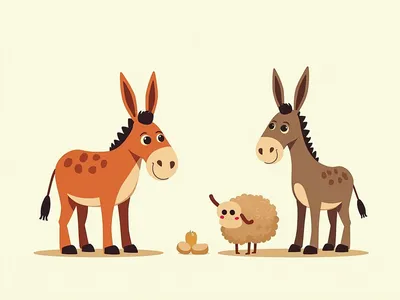
- Burro: In Spanish, it means “donkey”; in Italian, it means “butter.”
- Guardar (Spanish) vs. Guardare (Italian): Spanish “guardar” means “to keep” or “to guard,” while Italian “guardare” means “to look.”
- Parar (Spanish) vs. Parare (Italian): Spanish “parar” means “to stop,” but Italian “parare” means “to adorn” or “to shield.”
- Oficina (Spanish) vs. Officina (Italian): Spanish “oficina” means “office,” and Italian “officina” means “workshop.”
- Pesca: In Spanish, it means “fishing”; in Italian, it usually means “peach,” although it can sometimes mean “fishing” depending on pronunciation.
- Pronto: Spanish “pronto” means “soon,” while Italian “pronto” means “ready.”
- Salir (Spanish) vs. Salire (Italian): Spanish “salir” means “to go out” or “to leave,” Italian “salire” means “to go up.”
- Sembrare (Italian) means “to seem,” while Spanish “sembrar” means “to sow” (seeds).
- Subir: Spanish “subir” means “to go up” or “to raise;” Italian “subire” means “to undergo” or “to endure.”
- Tenere (Italian) means “to hold” or “to keep;” Spanish “tener” usually means “to have.”
- Topo: Spanish “topo” means “mole” (the animal), Italian “topo” means “mouse.”
- Tra (Italian) means “between” or “among,” Spanish “tras” means “after” or “beyond.”
These false friends can cause confusion for learners speaking both languages due to their close resemblance but differing meanings.
Why False Friends Exist Between Italian and Spanish
Italian and Spanish both descend from Latin, which explains their many similar words. However, the meanings of these words sometimes diverged over centuries as the languages evolved. False friends typically arise when:
- A word shares the same root but took a different semantic path.
- Pronunciation changes affect spelling and meaning.
- Different cultural or practical developments associate different ideas with a term.
This shared origin helps learners guess meanings in many cases, but it also creates the pitfall of assuming all cognates have identical meanings. Recognizing false friends is therefore critical to avoid misunderstandings in communication.
Examples in Context: False Friends in Sentences
Understanding false friends is easier when seen in real-life usage. Here are examples showing how these words differ in Italian and Spanish contexts:
-
Burro
- Spanish: El burro es un animal de carga. (The donkey is a beast of burden.)
- Italian: Uso il burro per cucinare. (I use butter for cooking.)
-
Pronto
- Spanish: Llegaré pronto a casa. (I will arrive soon at home.)
- Italian: Sono pronto per partire. (I am ready to leave.)
-
Guardar vs. Guardare
- Spanish: Voy a guardar este documento. (I am going to keep/save this document.)
- Italian: Devo guardare quel film. (I have to watch/look at that movie.)
Seeing these words in sentences helps learners remember the subtle but important distinctions.
Common Mistakes and How to Avoid Them
A frequent mistake is directly translating a similar-looking word without checking its meaning. For example:
- Saying “Estoy barato” in Spanish to mean “I am cheap” is incorrect because barato does not describe a person well. Instead, it means an object or service is inexpensive.
- Using pronto in Italian to mean “soon” will cause confusion because Italians use presto for that meaning, while pronto means “ready.”
To avoid these pitfalls, learners should:
- Cross-check dictionary definitions rather than rely on appearance alone.
- Practice using the words in varied sentences.
- Pay special attention when speaking or writing, to prevent false friend interference.
Tips for Mastering False Friends Between Italian and Spanish
- Create Comparison Lists: Write down frequently confused words with definitions side by side.
- Use Flashcards with Contextual Examples: This reinforces correct meaning associations beyond single words.
- Engage in Bilingual Practice: Listening and speaking exercises contrasting both languages help internalize differences.
- Learn Pronunciation Differences: Sometimes pronunciation cues indicate different meanings, such as with pesca in Italian, where stress changes meaning.
- Practice with Native Speakers: Real conversations highlight where false friends commonly lead to misunderstandings.
Summary Table of Key False Friends
| Word | Spanish Meaning | Italian Meaning | Notes |
|---|---|---|---|
| Barato | Cheap | Cheated/Deceived | Different nuances |
| Burro | Donkey | Butter | Common cooking vs. animal word |
| Guardar | To keep, guard | Guardare - To look | Verb form variation |
| Parar | To stop | Parare - To shield | Related but distinct meanings |
| Oficina | Office | Workshop | Work environment term difference |
| Pesca | Fishing | Peach (or fishing) | Meaning changes with stress |
| Pronto | Soon | Ready | Time vs. readiness |
| Salir | To go out | Salire - To go up | Movement verbs differ |
| Sembrare / Sembrar | To seem / To sow | To sow | Similar form, different verbs |
| Subir | To go up/raise | Subire - To endure | Action vs. experience |
| Tenere / Tener | To hold / To have | To have | Different uses of a core concept |
| Topo | Mole | Mouse | Animal differences |
| Tra / Tras | Between | After | Prepositional nuance |
This table can serve as a quick review tool to keep those tricky words straight.
Understanding these false friends is essential for Italian and Spanish learners who want to avoid embarrassing or confusing errors. The payoff is clearer communication and deeper appreciation of each language’s unique character.