Learn Essential German Vocabulary for Beginners – A1 Level
When learning German at the A1 level, it is essential to focus on foundational vocabulary and phrases that cover everyday situations. Below is a categorized list of some of the most important words and phrases for beginners, based on the Goethe-Institut A1 vocabulary guidelines and other resources:
Key Vocabulary Categories
1. Basic Greetings and Introductions
- Hallo (Hello)
- Guten Morgen (Good morning)
- Guten Tag (Good day)
- Guten Abend (Good evening)
- Wie geht’s? (How are you?)
- Ich heiße… (My name is…)
- Woher kommen Sie? (Where are you from?)
- Ich komme aus… (I come from…)
Expanded usage tips:
In German, greetings vary according to time of day, so using Guten Morgen in the morning but Guten Abend in the evening makes your speech sound natural. Also, Wie geht’s? is a more casual way to ask “How are you?” while Wie geht es Ihnen? is more formal and polite, ideal when speaking to strangers or elders.
2. Numbers and Time
- Numbers: eins (1), zwei (2), drei (3), vier (4), fünf (5), etc.
- Days: Montag (Monday), Dienstag (Tuesday), etc.
- Months: Januar (January), Februar (February), etc.
- Time expressions: heute (today), morgen (tomorrow), gestern (yesterday)
Practical application:
Numbers are crucial not only for counting but also for telling time, pricing, and dates. For example, saying Es ist drei Uhr means “It is three o’clock.” Learning ordinal numbers (erste = first, zweite = second) soon after A1 will help with dates.
3. Everyday Objects and Places
- das Haus (house)
- die Schule (school)
- der Supermarkt (supermarket)
- die Apotheke (pharmacy)
- der Bahnhof (train station)
- das Restaurant (restaurant)
Note on noun genders:
Every noun in German belongs to one of three gender classes—masculine (der), feminine (die), or neuter (das). This affects the article and adjective endings, so paying careful attention to the article together with the noun is vital from the start.
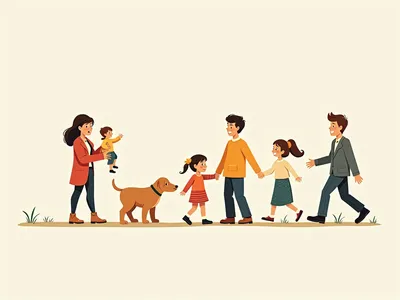
4. Family and People
- die Familie (family)
- der Vater / die Mutter (father/mother)
- der Bruder / die Schwester (brother/sister)
- der Freund / die Freundin (friend)
Common pitfalls:
Freund and Freundin mean “friend” but can also mean boyfriend/girlfriend depending on context. At A1 level, clarify meaning by context or specify if needed.
5. Food and Drinks
- das Brot (bread)
- das Wasser (water)
- der Apfel (apple)
- der Kaffee (coffee)
Cultural tip:
Knowing food vocabulary helps in everyday situations like ordering at restaurants or shopping. Also, Germans often use polite phrases like Bitte (please) and Danke (thank you) in these settings, which are essential polite vocabulary to learn alongside food words.
6. Common Verbs
- sein (to be): ich bin, du bist, er/sie/es ist
- haben (to have): ich habe, du hast
- gehen (to go): ich gehe
- sprechen (to speak): ich spreche
Verb basics:
Sein and haben are irregular but fundamental verbs used in countless expressions and also as auxiliary verbs to form past tenses. Early mastery of their conjugation is crucial. Beginners should also start learning personal pronouns alongside verbs for better sentence building.
7. Question Words
- Wer? (Who?)
- Was? (What?)
- Wo? (Where?)
- Wann? (When?)
- Warum? (Why?)
Usage insight:
Question words are indispensable for everyday communication. Note that in German, the verb typically comes second in the sentence, even in questions: Wo bist du? (Where are you?). This syntactic rule applies early on and takes some practice to internalize.
8. Directions and Travel
- links/rechts/geradeaus (left/right/straight ahead)
- der Flughafen (airport)
- die Bushaltestelle (bus stop)
Practical guidance:
Mastering directional vocabulary enables you to ask for and understand directions, which is key when traveling in German-speaking countries. When giving directions, verb placement and prepositions are important: Gehen Sie geradeaus und dann links. (Go straight ahead and then left.)
9. Essential Adjectives
- klein/groß (small/big)
- alt/jung (old/young)
- neu/altmodisch (new/old-fashioned)
Adjective agreement note:
At A1, begin to notice how adjectives change endings based on gender, number, and case of the noun they describe. For example, ein kleines Haus (a small house - neuter), but eine kleine Katze (a small cat - feminine).
10. Practical Phrases
- Ich verstehe nicht. (I don’t understand.)
- Können Sie das wiederholen? (Can you repeat that?)
- Wie viel kostet das? (How much does it cost?)
Useful phrase nuances:
Politeness is built into German through modal verbs and polite pronouns. Using Können Sie… instead of the imperative Wiederholen! makes interactions friendlier and more effective. Also, practicing these phrases helps gain confidence in handling typical communication breakdowns.
Additional Strategies for A1 Vocabulary Acquisition
Focus on Noun Articles and Gender Early
Learning nouns without their articles (der, die, das) is a common beginner mistake. Articles give clues to noun gender, which affects sentence structure and adjective forms. For example:
- der Tisch (the table - masculine)
- die Lampe (the lamp - feminine)
- das Buch (the book - neuter)
Pairing nouns with articles from the start reduces confusion later when conjugating verbs or declining adjectives.
Use Thematic Vocabulary Lists
Grouping vocabulary by theme (food, travel, family) helps memory retention. It also allows learners to prioritize words based on personal needs or interests, making learning more relevant and motivating.
Implement Spaced Repetition Techniques
Using tools like flashcards with spaced repetition optimizes memorization by scheduling reviews just before forgetting. This scientifically-supported method significantly improves long-term retention compared to one-time rote memorization.
Practice with Contextual Sentences
Memorizing isolated words is less effective than learning them in sentences. For example:
- Ich habe einen Apfel. (I have an apple.)
- Der Bahnhof ist in der Nähe. (The train station is nearby.)
Context enhances understanding of grammatical structures while reinforcing vocabulary.
Common Mistakes and Misconceptions
Confusing Sie and du Forms of “You”
Many beginners mix the formal Sie and informal du. Use Sie when addressing strangers, elders, or superiors; use du with friends and family. This formality distinction impacts verb conjugation and politeness.
Mixing Up Gender for New Nouns
Assuming noun gender based on endings sometimes works but not always. For instance, while -ung endings are usually feminine (die Zeitung - newspaper), -chen endings are always neuter (das Mädchen - girl). Early exposure to these patterns can reduce errors.
Overusing Literal Translations
Direct translation from native language often leads to incorrect word order or awkward phrasing. Learning basic German sentence structure early aids natural expression.
FAQ: Common Questions About A1 German Vocabulary
Q: How many words do I need to know for the A1 level?
A: Approximately 500 to 600 words covering basic topics are recommended to achieve solid A1 proficiency according to Goethe-Institut standards.
Q: Should I learn verbs first or nouns?
A: Both are important, but starting with high-frequency verbs sein, haben, gehen, and basic nouns (with articles) is practical. This allows beginning simple sentences quickly.
Q: How can I remember noun genders effectively?
A: Learning nouns paired with their articles and practicing gender patterns helps. Color-coding articles or using mnemonic devices also supports retention.
Q: Is it necessary to memorize all vocabulary lists?
A: Targeting useful, everyday vocabulary aligned with personal goals is more effective than attempting to memorize every word on a list.
Mastering these words and phrases will help you build a strong foundation for communicating effectively in German at the A1 level!
References
-
Learn German | German Vocabulary | In der Stadt | In the city …
-
[Learn 15 German Words for ABSOLUTE Beginners - A1 with …
-
A1 Wortliste | German Vocabulary A1 Word List with English …
-
Learn German A1 | The most important words and phrases for …
-
Learn German | 100 Words with Pictures & Emoji | German A1 …