False friends when learning Italian
When learning Italian, one of the challenges English speakers face is dealing with false friends. These are words that look or sound similar in both languages but have different meanings. Understanding these false friends is crucial to avoid misunderstandings and improve fluency. Here are some common Italian-English false friends:
Common Italian-English False Friends
-
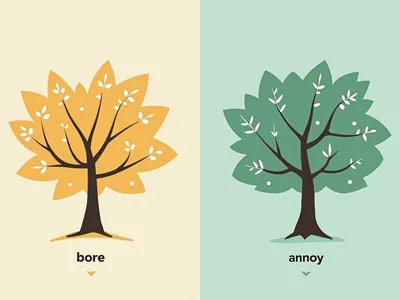
Annoiare vs. To Annoy: Annoiare means “to bore,” not “to annoy.” For “annoy,” use irritare or dare fastidio 1. For example, saying Mi annoi means “You bore me,” whereas Mi irriti means “You annoy me.” Confusing these verbs can lead to unintended rudeness or misunderstanding.
-
Attualmente vs. Actually: Attualmente means “currently,” not “actually.” Use in realtà or veramente for “actually” 1 2. A sentence like Attualmente lavoro a Milano clearly means “I am currently working in Milan,” not “I actually work in Milan.” This distinction is crucial to express time correctly.
-
Camera vs. Camera: In Italian, camera means “room,” not “photographic camera.” The correct term for a camera is macchina fotografica 1 3. If you ask for a camera in Italy expecting a photo device, you might confuse someone looking to offer a room.
-
Casuale vs. Casual: Casuale means “random,” not “casual.” Use informale for “casual” 1. For instance, una scelta casuale is “a random choice,” and abbigliamento casuale would sound odd—abbigliamento informale is the natural way to say casual clothing.
-
Confrontare vs. To Confront: Confrontare means “to compare,” not “to confront.” Use affrontare for confronting someone 1. This is a typical source of confusion in conversations involving disagreement or debates.
-
Libreria vs. Library: Libreria refers to a “bookstore,” not a “library.” The correct term for library is biblioteca 1 2. This can lead to awkward situations if someone asks where the library is and is directed to a bookstore instead.
-
Morbido vs. Morbid: Morbido means “soft,” not “morbid.” For morbid, use morboso 1 4. Remember that morbido often describes textures (e.g., pane morbido = soft bread).
-
Parenti vs. Parents: Parenti means “relatives,” not “parents.” Use genitori for parents 1. This false friend often causes miscommunication when discussing family members.
-
Preservativo vs. Preservative: Preservativo means “condom,” not “preservative.” For preservative, use conservante 1 3. This is a classic false friend that can cause embarrassing mistakes, especially in shopping or food contexts.
-
Pretendere vs. To Pretend: Pretendere means “to demand” or “expect,” not “to pretend.” Use fingere for pretending 1 5. For example, pretendere rispetto means “to demand respect,” while fingere di essere felice means “to pretend to be happy.”
-
Sensibile vs. Sensible: Sensibile means “sensitive,” not “sensible.” Use ragionevole or sensato for sensible 1 2. Describing a person as sensibile highlights emotional sensitivity, not good judgment.
Why False Friends Are so Common Between English and Italian
Italian and English share many cognates due to both languages having Latin roots at different layers, especially through French influence on English. However, these shared roots often evolved differently in meaning over time. For example, attualmente derives from Latin actualis meaning “pertaining to action,” which in Italian shifted to denote a current state, whereas English narrowed actually to indicate factual correctness or contrast.
The presence of misleading cognates is particularly frequent between Italian and English partly because both languages imported many terms from Latin and French but adapted them separately according to different cultural contexts.
Common Mistakes and How to Avoid Them
Mixing up false friends can lead not only to errors but also to social awkwardness or unintentionally impolite remarks. For instance, saying Sono sensibile about oneself might invite a listener to treat you as emotionally delicate, whereas intending to say “I am sensible” would require different wording. Similarly, asking for a preservativo in a food store expecting a preservative will cause confusion.
To minimize false friend errors:
- Learn false friends in thematic groups (family, emotions, shopping) to anchor usage contexts.
- Pay special attention to pronunciation differences that can hint at different meanings, such as stress placement or vowel length.
- Practice speaking with native input or AI tutors focused on conversation to reinforce natural usage.
- Use bilingual dictionaries that indicate typical false friends rather than simple translation pairs.
Additional Noteworthy Italian-English False Friends
- Educato vs. Educated: Educato means “polite” or “well-mannered,” not “educated.” For “educated,” use istruito or colto.
- Fattoria vs. Factory: Fattoria is a “farm,” not a factory. The Italian for factory is fabbrica.
- Luce vs. Luck: Luce means “light,” not luck. The word for “luck” is fortuna.
- Sensible vs. Sensibile: The reverse of above — English sensible means reasonable, Italian sensibile means sensitive.
- Vulcano vs. Volcano: While the English word “volcano” and Italian vulcano refer to the same physical phenomenon, the plural form in Italian is vulcani (not volcanoes), which can catch learners off-guard in plural agreement patterns.
Pronunciation and False Friends
Even when words look similar, Italian pronunciation often differs in ways that can help distinguish false friends. For example, sensible in English has the stress on the first syllable, whereas sensibile in Italian places stress on the third syllable (sen-si-BI-le). Awareness of this can reduce confusion in listening comprehension.
Cultural Context: False Friends That Lead to Mistakes in Social Interactions
False friends are not just linguistic traps but can raise cultural misunderstandings. Asking for a preservativo (condom) in formal or casual conversations without proper context may be embarrassing or inappropriate, unlike a simple mention of a preservative (conservante) in food talk. Similarly, misusing pretendere could come across as aggressive, since it implies demanding something, which can clash with Italian conversational politeness norms that favour indirectness.
Summary
False friends between English and Italian are a well-known hurdle but can be overcome with focused attention on meaning differences, context, and pronunciation. Understanding these common pitfalls improves communication accuracy and helps learners sound more natural and confident. Regular practice with real conversation, supported by clear examples and attentive listening, accelerates mastering these tricky pairs that so often cause misunderstandings.
References
-
Learning Italian Language: watch out for the false friends! - Ellci
-
10 False Friends that you DIDN’T know existed between Italian and …
-
English-Italian False Friends (Adjectives, Adverbs and Verbs)
-
Do you know the difference? Italian language “false friends” and …