Mastering Essential Spanish Vocabulary at B1 Level
When learning Spanish at the B1 level, it is essential to focus on vocabulary that allows you to communicate effectively in everyday situations, express emotions, and discuss a variety of topics. Mastering core vocabulary across multiple semantic fields, along with common verbs, adjectives, prepositions, and useful phrases, empowers learners to converse with greater confidence and nuance.
Below is a categorized list of important words and concepts for B1 learners:
Everyday Vocabulary
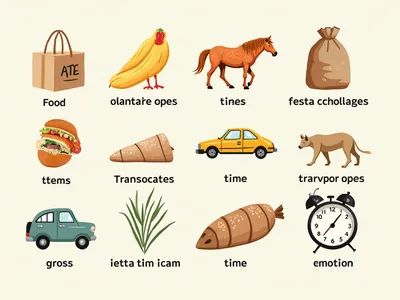
- Food and Drink: Desayuno (breakfast), almuerzo (lunch), cena (dinner), bebida (drink), fruta (fruit), verdura (vegetable), helado (ice cream). These words are fundamental for ordering food or discussing preferences, a frequent activity in daily conversations and travel settings.
- Household and Living: Casa (house), habitación (room), muebles (furniture), cocina (kitchen). Being able to describe your living environment supports practical conversations with roommates, landlords, or hosts.
- Transportation: Coche (car), autobús (bus), tren (train), bicicleta (bicycle). Knowing these terms enables discussing routes, plans, and travel logistics, essential for independent movement in Spanish-speaking countries.
- Time and Dates: Día (day), semana (week), mes (month), año (year). Expressing time and scheduling appointments rely on this vocabulary.
- Money and Shopping: Dinero (money), precio (price), comprar (to buy). These words form the basis for transactional language, indispensable when shopping or negotiating.
Verbs
- Everyday Actions: Comer (to eat), beber (to drink), dormir (to sleep), trabajar (to work). These action verbs frequently appear in daily life conversations.
- Movements: Caminar (to walk), correr (to run), saltar (to jump). Physical activities are often topics in casual dialogues or when discussing routines.
- States and Feelings: Estar (to be - temporary), ser (to be - permanent), tener (to have), gustar (to like). Mastery of these verbs is critical as they form the foundation for expressing identity, possession, and preferences.
- A common B1-level goal is comfortably using irregular verbs (like tener and ir) in various tenses, which allows richer expression of past experiences and future plans.
Common Verb Mistakes at B1 Level
A frequent mistake is confusing ser and estar. While ser describes permanent characteristics (Ella es inteligente), estar refers to temporary states (Ella está cansada). Such distinctions are essential for natural-sounding speech and avoiding misunderstandings.
Adjectives
- Descriptive adjectives like:
- Colors: Rojo/a (red), azul (blue).
- Sizes: Grande (big), pequeño/a (small).
- Feelings: Contento/a (happy), triste (sad).
Using adjectives correctly with gender and number agreement is a key step at the B1 stage, enabling detailed descriptions in conversations.
Prepositions and Conjunctions
- Prepositions: En (in, on), a (to, at), de (of, from).
- Conjunctions: Y (and), o/u (or), pero (but).
These connectors allow learners to form more complex and fluid sentences, moving beyond simple statements.
Nuance in Prepositions
Spanish prepositions often do not translate directly from English. For example, pensar en means ‘to think about,’ not just ‘to think,’ and depender de means ‘to depend on.’ Being attentive to these differences avoids awkward or incorrect expressions.
Thematic Vocabulary
- Emotions: Words like alegría (joy), miedo (fear), sorpresa (surprise), or frustración (frustration) help express complex emotional states, enabling more authentic personal conversations.
- Professions: Common roles such as profesor/a, médico/a, ingeniero/a, or enfermero/a are useful when discussing work or asking about someone’s occupation.
- Travel and Directions: Vocabulary for asking directions (izquierda, derecha, recto), transportation hubs (viaje, aeropuerto, estación), and common travel verbs (reservar, llegar, salir) are invaluable for practical communication during trips.
- Nature and Environment: Terms like naturaleza (nature), montaña (mountain), or weather-related words (sol, lluvia, viento) enrich conversation on everyday observations and hobbies.
Intermediate Phrases
To sound more natural in conversations, learners should focus on connectors and idiomatic expressions that link ideas smoothly. Examples include:
- “Por lo tanto” (therefore) – useful for expressing logical conclusions.
- “Aunque” (although) – introduces contrast and nuance.
- “De vez en cuando” (from time to time) – indicates frequency and adds precision.
- “Tener ganas de” (to feel like) allows expressing desires casually: Tengo ganas de salir (I feel like going out).
Learning such phrases helps in transitioning from rote memorization to spontaneous, conversational fluency.
Using Idiomatic Expressions Correctly
A common pitfall is overusing direct translations or cliché idioms without understanding their context. For example, the phrase estar en las nubes literally means ‘to be in the clouds’ and figuratively refers to being distracted. Knowing when and how to use such expressions makes conversations more engaging and culturally authentic.
Pronunciation and Usage Tips
At B1 level, developing clear pronunciation especially for tricky vowels and consonants such as the rolled r or the ñ sound enhances comprehension. Focusing on syllable stress and intonation patterns improves naturalness in speech; for instance, the difference between papa (potato) and papá (dad) rests on stress placement.
Regular active practice, particularly speaking and listening exercises involving realistic dialogues, accelerates retention of B1 vocabulary and phrases far more effectively than only reading or writing exercises. Conversational rehearsal also aids learners in understanding common reductions or informal speech patterns heard in native conversation.
FAQs
What is the typical vocabulary size expected at B1 level?
A B1 learner typically knows around 2,000 to 2,500 words, focusing on functional vocabulary that supports everyday interaction and expresses personal opinions.
How can learners avoid forgetting vocabulary at this stage?
Repeated exposure in varied contexts and active use—speaking or writing sentences with new words—reinforces memory. Using spaced repetition systems while mixing passive (reading/listening) and active practice helps embed vocabulary deeply.
Are idiomatic expressions necessary at B1?
While full mastery of idioms is not expected, acquiring several common expressions boosts conversational fluency and helps learners participate more naturally in conversations.
Mastering these vocabulary areas will significantly enhance your ability to communicate effectively at the B1 level.
References
-
Basic spanish vocabulary another 1200 words - Inti Online Languages
-
How do Spanish speakers read words? Insights from a crowdsourced lexical decision megastudy
-
Pictures and Words: Spanish and English Vocabulary in Classrooms.
-
Emotions as a linguistic category: perception and expression of emotions by Spanish EFL students
-
Spanish Vocab Sorted By CEFR Level : r/languagelearning - Reddit